Structural Heart Procedures
There have been several innovations in valve surgery over the past decade. While open heart (traditional or minimally invasive) surgery is still the gold standard for valve repair and replacement, newer less invasive techniques have been developed.
Transcatheter procedures to repair or replace heart valves have become increasingly more common as the miniaturization of equipment as afforded the ability to do these procedures through a small groin incision.
Although the prospect of valve surgery through a small groin incision is enticing to patients, it is not for everyone. Proper patient selection is paramount – age, valve durability, and other medical problems play an important role in determining the best procedure.
Often, timing and long-term planning give patients the best outcomes. A team approach between the Cardiac Surgeon, Structural Interventional Cardiologist, Radiologist, and other key team members plays a pivotal role in early and long term outcomes.
Sarasota Memorial Hospital has a vast experience in Structural Heart procedures with proven outcomes and was the first hospital in SW Florida to earn…..
TAVR – Transcatheter Aortic Valve Replacement
Transcatheter Aortic Valve Replacement, also known as TAVR or TAVI is the least invasive approach to Aortic Valve Replacement. Surgical teams from the operating room, cardiac catheterization lab, anesthesia, and perfusion services are present during the procedure. The Cardiac Surgeon and Structural Interventional Cardiologist work together in the hybrid operating room to properly position and deploy the new heart valve. Recovery time is minimal.
Treatment
From a small incision in the groin, a tube is threaded through the femoral artery to the heart. A balloon expands the narrowed, diseased valve in order to secure the new valve. With the new valve confirmed to be working properly, the deflated balloon is removed with the catheter and a small bandage is placed on the leg. Average hospital stay is two to three days.
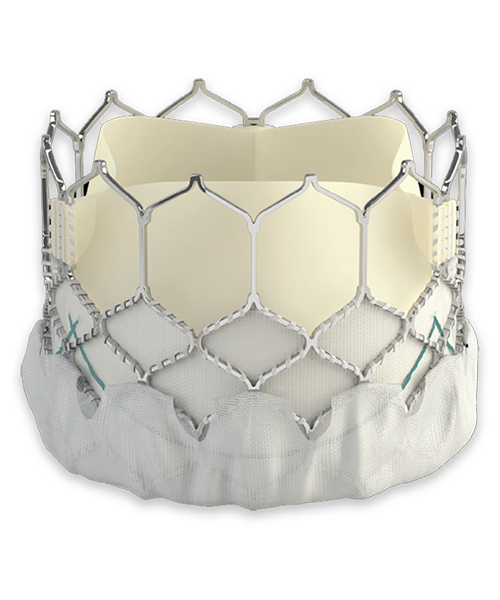
EVOQUE Valve
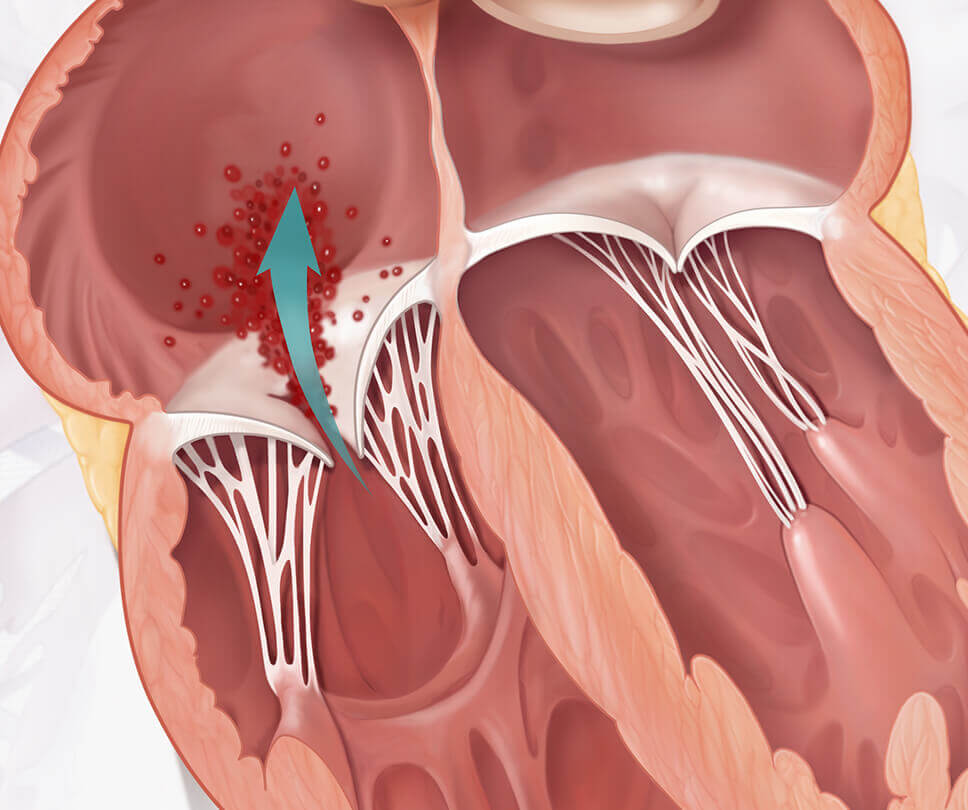
EVOQUE Tricuspid Valve Replacement System. Symptomatic severe TR may be treated by repairing or replacing the tricuspid valve. Getting treated for TR could make a difference for your heart and quality of life. See the comparison between a healthy heart and one with tricuspid regurgitation
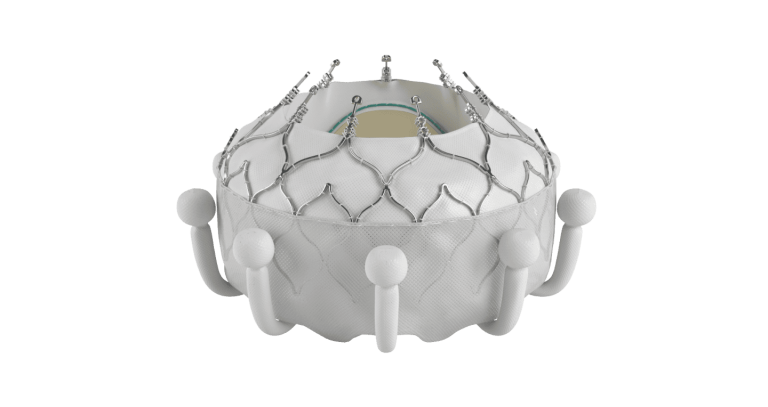
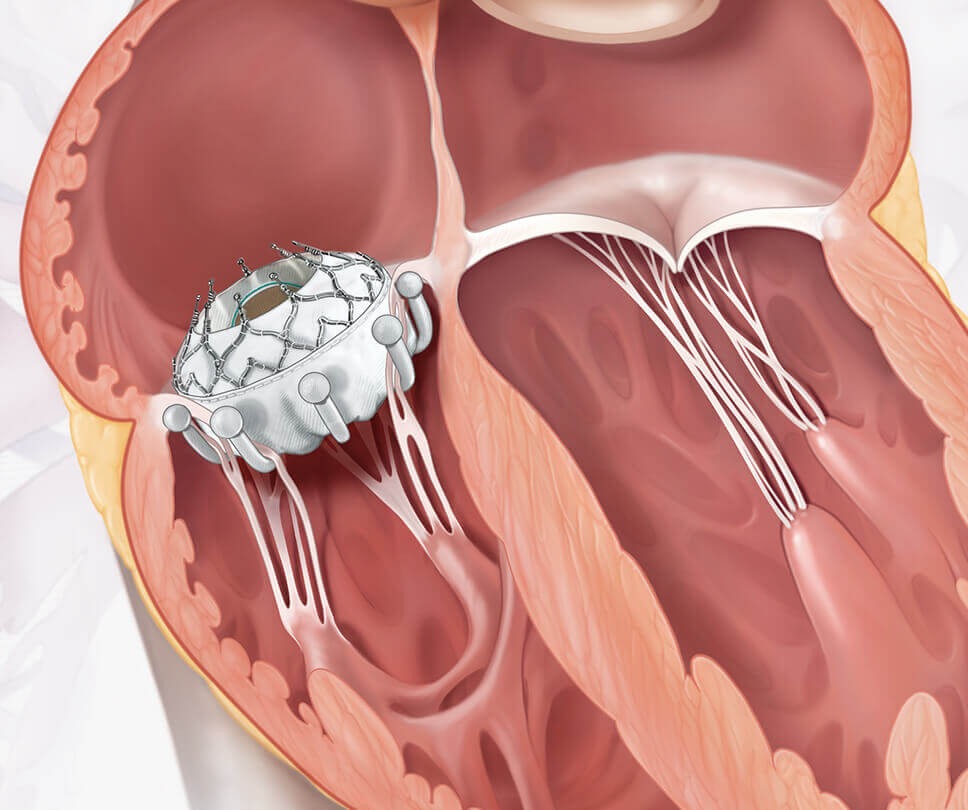
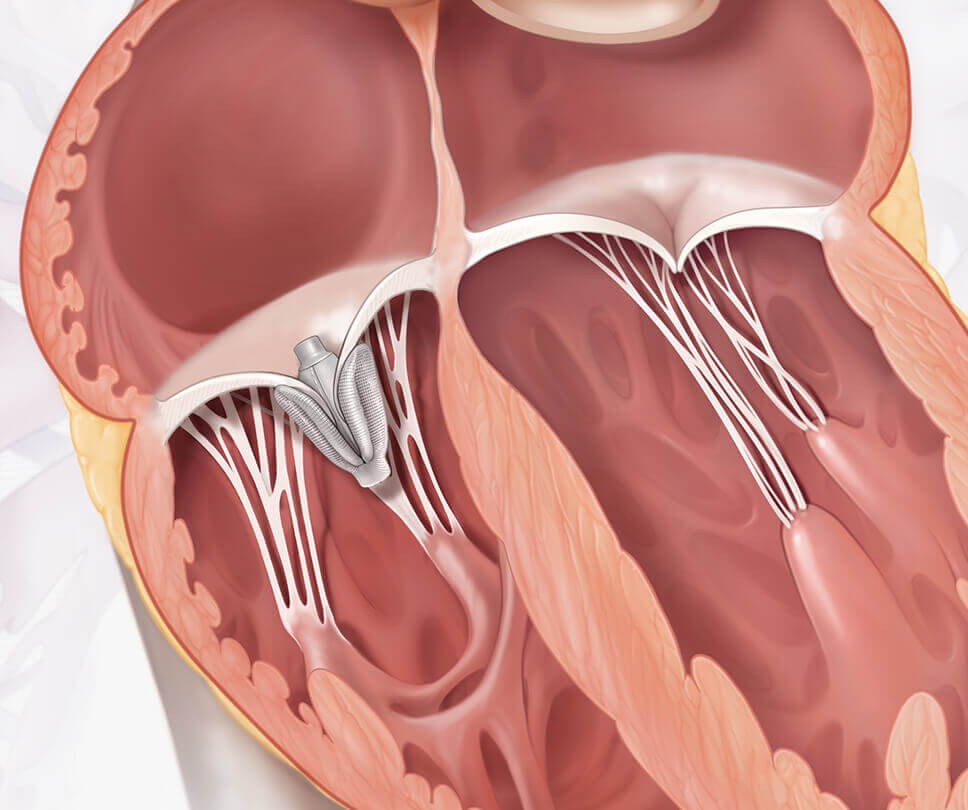
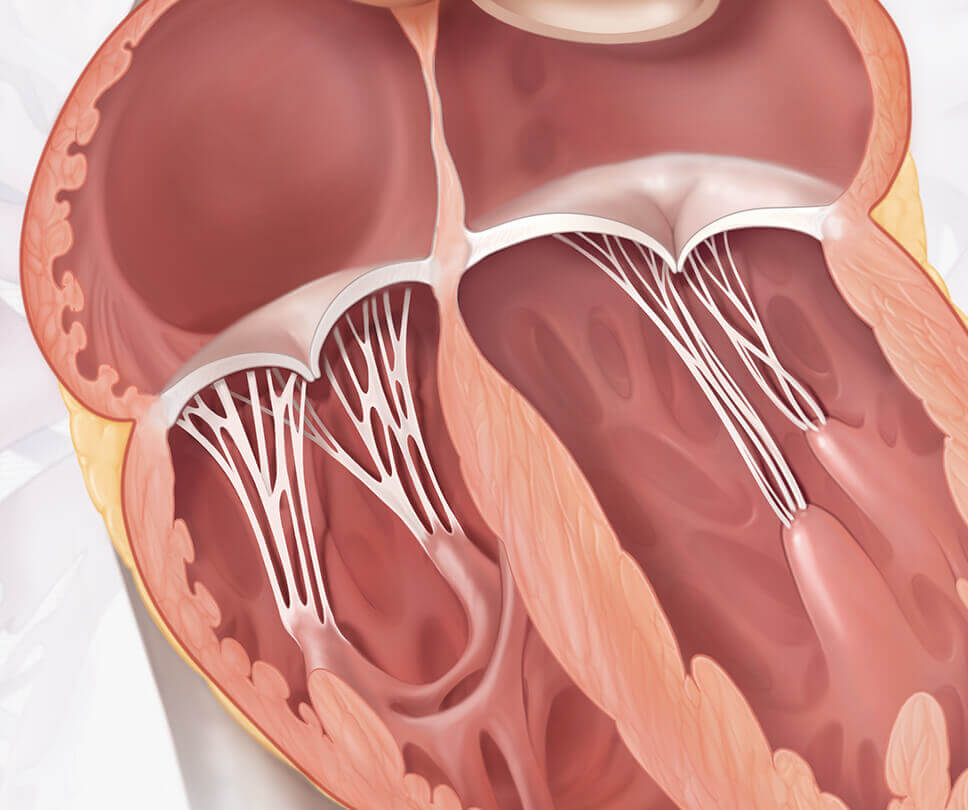
SAPIEN M3 System
One system. Two parts. The SAPIEN M3 system procedure is designed as an innovative two-phased approach: dock delivery and valve delivery
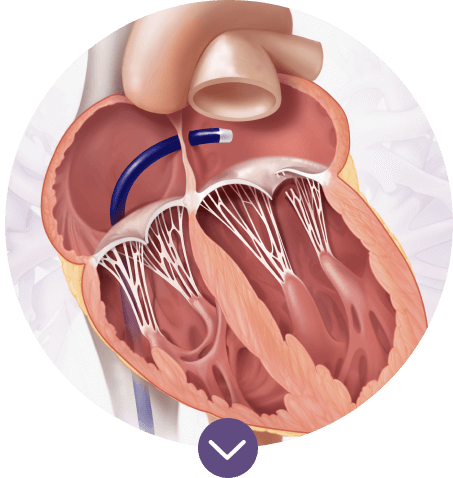
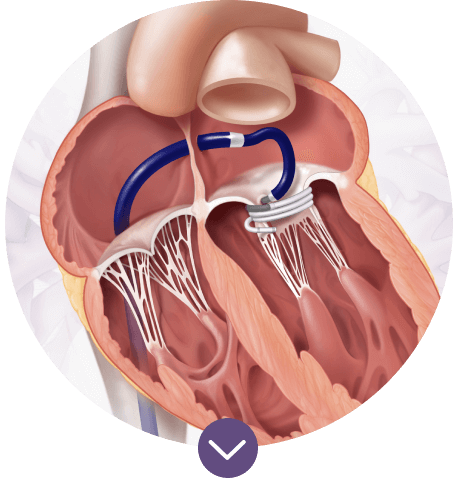
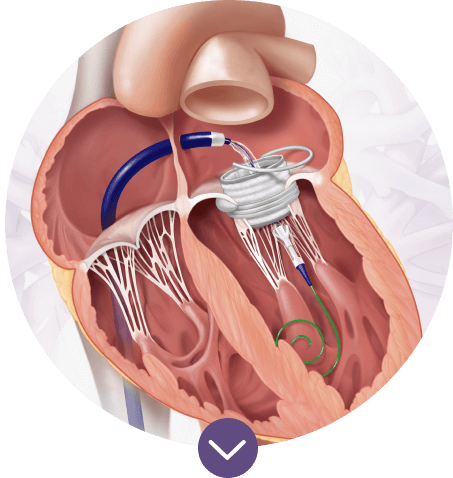
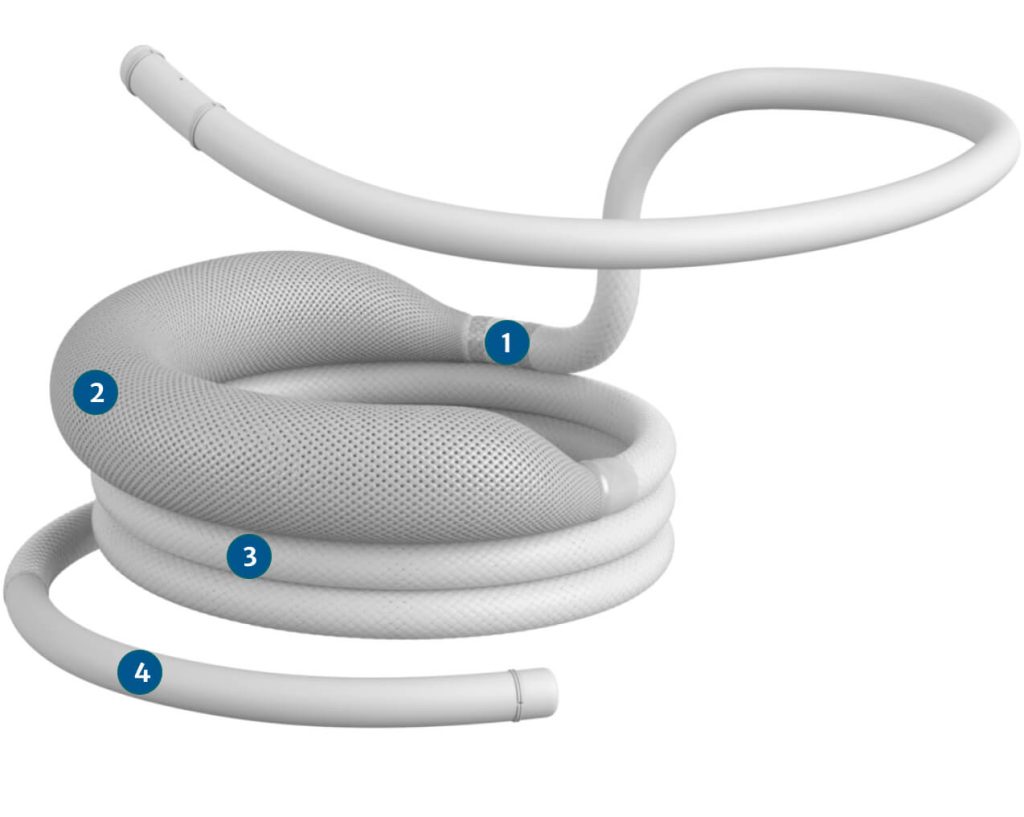
The SAPIEN M3 nitinol dock encircles the native mitral anatomy, creating a stable and standardized landing zone for the SAPIEN M3 valve.
- Radiopaque markers to visualize proper positioning and deployment
- Nitinol PVL guard expands in the medial commissure
- Functional turns provide a stable anchor for the SAPIEN M3 valve
- Encircling turn captures the native mitral leaflets
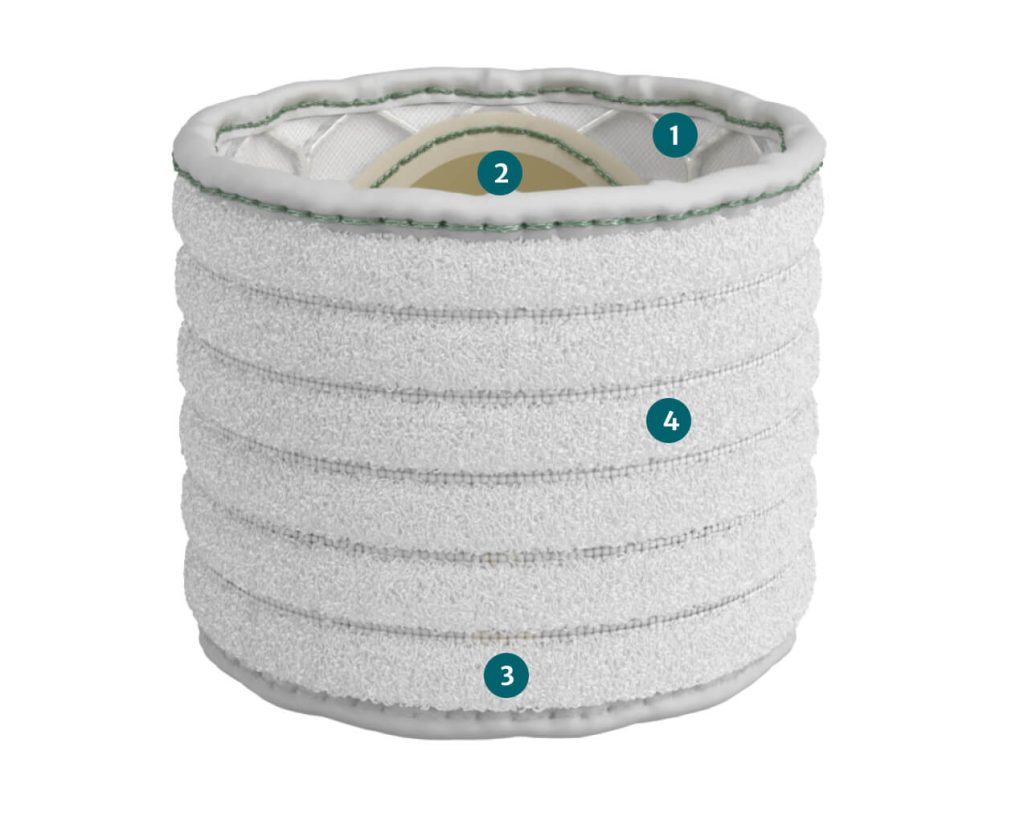
Built on the trusted SAPIEN platform, designed to treat the mitral valve.
- Cobalt-chromium alloy frame provides radial strength and clear visibility
- Tri-leaflet bovine pericardial tissue treated with the ThermaFix tissue process
- Full-frame PET skirt respects the native anatomy
- Single 29mm valve can treat a variety of mitral anatomies
AltaValve
Transcatheter Mitral Valve Replacement
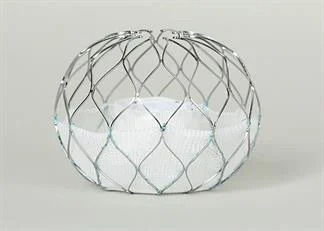
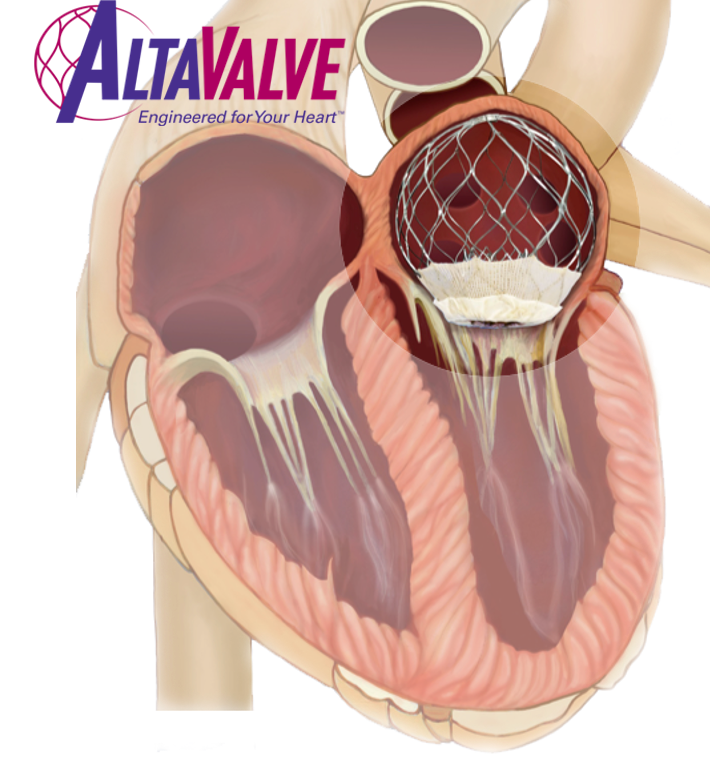
AltaValve is an advanced transcatheter option for select patients with primary or secondary mitral regurgitation who may be high risk for open-heart surgery.
Positioned above the native mitral valve, AltaValve is designed to preserve key cardiac structures, reduce certain procedural risks, and allow future left atrial access if additional treatment is needed.
AltaValve is also designed for patients who have had previous mitral valve repair.
Transcatheter Valve Procedure Videos
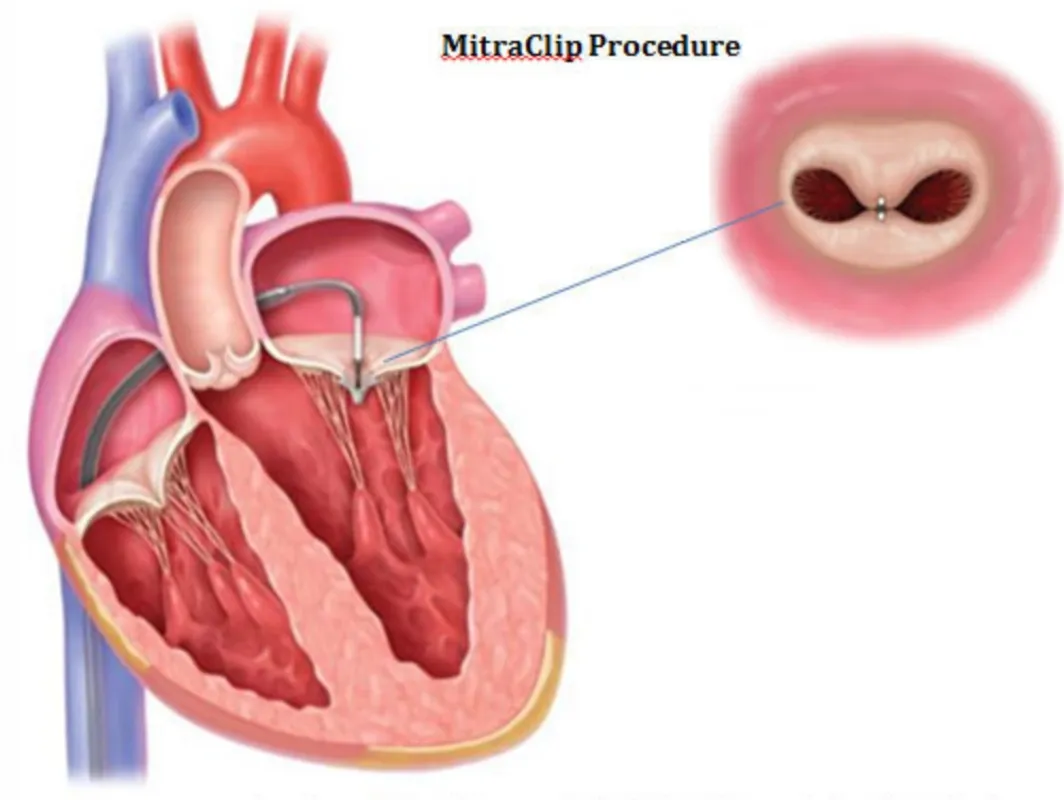
MitraClip for Mitral Valve Repair
MitraClip® for Transcatheter Mitral Valve Repair (TMVR)
What is TMVR (Transcatheter Aortic Valve Replacement)?
Mitral regurgitation (or insufficiency) occurs when the mitral valve’s two flaps (leaflets) don’t close completely, allowing blood to flow backward through the valve into the left atrium and back into the lungs. Degenerative mitral regurgitation can be related to age, a birth defect, or underlying heart disease. Functional mitral regurgitation occurs when the heart muscle is weak and enlarged, usually from a heart attack. Symptoms can include shortness of breath (especially during exercise or lying flat), fatigue, cough, rapid or irregular heartbeat and awaking short of breath at night.
If medication can’t control symptoms, the mitral valve must be repaired or replaced. For patients who may be too sick or fragile for open surgery, Transcatheter Mitral Valve Repair (TMVR) is a minimally invasive option that has proven effective.
Areas of Focus for Dr. Hoffberger and his team:
- Minimally invasive valve surgery and open surgical interventions
- Valve repair and replacement revisions
- Surgical repair of mitral valve prolapse
- Second opinions regarding valve diagnosis, severity, and the timing and type of recommended intervention
- Clinical trials
- Personalized care plan, including health monitoring, education and follow-up